
Table of Contents
- How to Determine Your Body Shape
- Dressing for Rectangle Body Types
- Styling the Hourglass Silhouette
- Pear and Triangle Body Shape Solutions
- Inverted Triangle and Apple Shape Styling
- How to Balance Proportions with Clothing
- Wardrobe Essentials for Every Body Type
- How to Dress for Your Body Type with Confidence
- Frequently Asked Questions
Last Updated: September 4, 2026
Dressing for your body type is about understanding your unique proportions so you can choose clothing that highlights your favorite features and makes you feel confident. At Find Yourself Style, we believe that style is a form of self-expression. This guide will walk you through identifying your shape, selecting flattering silhouettes, and building a wardrobe that feels authentically you.
The real problem is usually a mismatch between the garment’s cut and your natural body geometry. A few fundamental principles can change how you shop and dress. Below, we show you how to apply these principles, from taking accurate measurements to choosing the right neckline.
How to Determine Your Body Shape
Your body shape is determined by the relationship between your shoulder, bust, waist, and hip measurements. This is a practical tool for understanding which cuts and styles will naturally create a balanced, flattering silhouette.
Taking Your Body Measurements
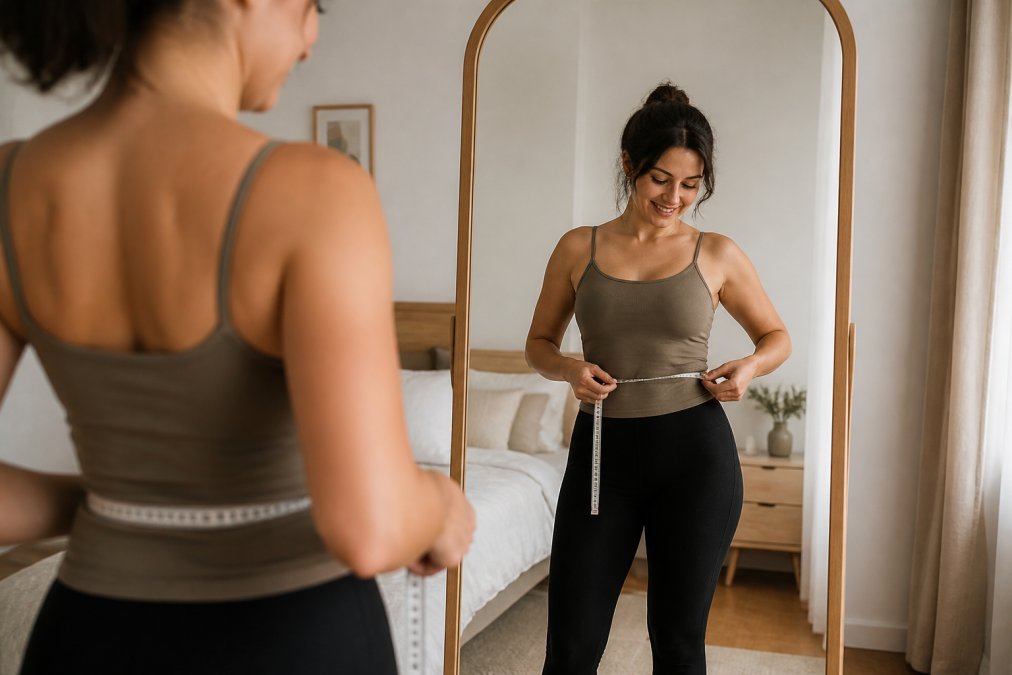
You need a soft measuring tape and a mirror. Wear form-fitting clothing or undergarments only, and stand naturally with your feet together. Measure at the same time of day (morning is best), and keep the tape snug but not tight, you should be able to slide one finger underneath.
- Shoulders: Measure around the widest part of your shoulders, keeping the tape straight across your back. This is typically at the point where your shoulder bone protrudes. Do not round your shoulders forward; stand tall.
- Bust: Measure around the fullest part of your chest, keeping the tape parallel to the floor. For those with larger busts, ensure the tape passes over the fullest point of both breasts.
- Waist: Find your natural waist, which is the narrowest part of your torso, usually just above your belly button. Bend slightly to the side to locate this point; it’s where your body naturally creases.
- Hips: Measure around the fullest part of your hips and bottom, typically about 7-9 inches below your waist. Stand with feet hip-width apart for this measurement.
Write these numbers down. If your bust and hip measurements are within 1 inch of each other, you likely have a rectangle or hourglass shape. If hips are 2+ inches larger than bust, you’re pear-shaped. If shoulders are 2+ inches larger than hips, you’re inverted triangle. If your waist is significantly larger than both bust and hips, you’re apple-shaped.
The Five Core Body Types
Rectangle: Balanced bust and hips with a less-defined waist (typically less than a 1-inch difference between waist and hip measurements). Shoulders and hips are roughly equal in width.
Hourglass: A defined waist with bust and hips that are relatively equal in width (within 1 inch of each other). The waist is noticeably smaller than both the bust and hips, creating a curvy silhouette.
Pear (Triangle): Hips and thighs are wider than the bust and shoulders (hips typically 2+ inches larger than bust). Weight tends to concentrate in the lower body.
Apple (Round):: Fuller midsection with a waist measurement that is larger than both bust and hip measurements. Shoulders and hips are relatively balanced, but the torso carries more volume.
Inverted Triangle: Broader shoulders that are noticeably wider than hips (shoulders typically 2+ inches larger than hips). The upper body is the widest part of the frame, narrowing toward the legs.
Dressing for Rectangle Body Types
For rectangle body types, create waist definition through wrap dresses, peplum tops, and ruching at the side seam. Choose skirts with pockets, pleats, or A-line cuts that add volume to the hips.
Styling the Hourglass Silhouette
For hourglass figures, emphasize your waist with fitted styles, wrap silhouettes, and fit-and-flare dresses. Look for clothing with a natural waist seam or belt at the narrowest point. V-necklines and scoop necks elongate the torso, while high-waisted bottoms with tucked-in tops highlight your waist.
Pear and Triangle Body Shape Solutions
For pear or triangle shapes, balance your lower half by adding visual interest to your upper body. Choose tops with structured shoulders, embellished sleeves, or boat necks. For bottoms, use darker colors and clean lines. Straight-leg or slightly flared trousers balance the hip line, while A-line skirts skim the body smoothly.
Inverted Triangle and Apple Shape Styling
For inverted triangles, choose V-necklines and raglan sleeves to minimize shoulder width, and opt for full skirts and wide-leg trousers to add hip volume. For apple shapes, empire waistlines, A-line dresses, and wrap tops that skim the midsection are effective, with deep V-necklines creating a longer, leaner line.
How to Balance Proportions with Clothing
Balancing your proportions means using clothing to create a visually harmonious silhouette by adding visual weight where you have less and minimizing it where you have more.
Using Necklines and Shoulders
Necklines are powerful tools for changing visual proportions. Wide necklines like boat necks add shoulder width to balance wider hips. V-necklines and scoop necks elongate the neck and torso, ideal for balancing broader shoulders. Structured blazer shoulders create sharper lines for pear-shaped figures.
Strategic Color Blocking and Patterns
Color blocking directs the eye: darker shades recede, lighter shades come forward. Place brighter colors where you want to highlight and darker colors where you want to minimize. Bold patterns on the top half draw attention upward, while vertical lines create a lengthening, slimming effect.
Wardrobe Essentials for Every Body Type
A well-curated wardrobe is about having the right versatile pieces that can be mixed and matched to flatter your shape. Core wardrobe essentials serve as building blocks for countless outfits and make getting dressed easier.
Building a Capsule Wardrobe That Works
A capsule wardrobe is a collection of timeless, high-quality pieces you wear regularly. Start with neutral-colored bottoms that fit perfectly, like a dark-wash jean and tailored black trouser. Add tops in solid colors that flatter your skin tone, a well-fitted blazer, and a classic dress. Every piece should work with several others, reducing daily decision fatigue.
However, the specifics of your capsule wardrobe should shift based on your height and size range, since fit challenges vary significantly:
For Petite Frames (under 5’4″): Prioritize cropped or petite-length bottoms to avoid fabric pooling at the ankles. Look for tops with shorter sleeves and higher armholes. Monochromatic dressing creates a longer vertical line. Seek tailored blazers that hit at the hip rather than mid-thigh.
For Tall Frames (5’9″ and above): Wear longer hemlines and maxi silhouettes. Horizontal stripes, color blocking, and layered pieces add visual interest. Longer cardigans and extended blazers work beautifully. Avoid petite-specific cuts.
For Plus-Size Frames (size 18+): Use structured fabrics and strategic layering. Well-fitted wrap dresses or A-line silhouettes skim the body. Quality shapewear creates a smooth foundation. Vertical seams, open cardigans, and longer tops create lengthening lines. Avoid overly tight fits that bunch and overly loose fits that add bulk.
The Role of Undergarments and Fit
A well-fitted bra changes the line of your clothing and instantly improves how a top or dress fits. Get professionally fitted at a lingerie retailer. Replace essentials every 6-12 months as your body changes (the American Academy of Dermatology). For larger busts or fuller midsections, seamless shapewear or a slip dress under clingy fabrics creates a smooth line. High-waisted shapewear smooths the lower belly and hip area for pear and apple shapes.
How to Dress for Your Body Type with Confidence
Dressing for your body type should be about confidence, not restriction. When you understand your proportions and what works for you, shopping becomes easier and getting dressed becomes joyful. Your style should reflect your personality.
Beyond Measurements: Body Neutrality and Authenticity
Separate style from self-worth. Body neutrality is accepting your body as it is, allowing you to use clothing as a creative tool for self-expression without tying your happiness to a specific size or shape (apa.org).
Key TakeawayThe most “flattering” outfit is the one that makes you feel like yourself. Use these guidelines as a map, but always let your personal taste and comfort lead the way.
|
Body Shape |
Primary Styling Goal |
Key Silhouettes |
Bottoms to Try |
|---|---|---|---|
|
Rectangle |
Create waist definition |
Wrap dresses, peplum tops |
A-line skirts, pleated pants |
|
Hourglass |
Maintain natural balance |
Fitted styles, wrap silhouettes |
High-waisted bottoms |
|
Pear |
Balance and minimize hips |
Structured shoulders, boat necks |
Dark, straight-leg trousers |
|
Inverted Triangle |
Soften shoulders, add hip volume |
V-necks, raglan sleeves |
Full skirts, wide-leg pants |
|
Apple |
Elongate torso, highlight legs |
Empire waist, deep V-necks |
A-line dresses, straight-leg jeans |
This guide from Find Yourself Style is a starting point, but personalized guidance makes a lasting difference. Our Certified Color Consultants bring a holistic approach that goes beyond body shape to include the colors and beauty choices that make you shine. Get started with Find Yourself Style and experience how the right colors can transform your confidence.
Frequently Asked Questions
How do I identify my body shape accurately?
Start by taking three key measurements: bust, waist, and hip. Wear fitted clothing or undergarments and measure at the fullest points of each area. Compare your measurements to identify which dimension is largest. Stand in front of a mirror and observe your overall silhouette, paying attention to where you carry weight and your natural waist definition. Most people fit into one of five categories: rectangle, hourglass, pear, inverted triangle, or apple. Remember that body shapes exist on a spectrum, and you may have characteristics of multiple types.
What wardrobe essentials work for every body type?
Every body type benefits from well-fitting basics: tailored blazers, quality white button-downs, neutral pants in multiple cuts, and structured dresses. Add A-line or fit-and-flare silhouettes that work across most shapes, along with layering pieces like cardigans and wraps. Invest in proper undergarments that smooth and support your natural shape. Include versatile neutral colors as your foundation, then build with colors that complement your skin tone. Finally, prioritize fit over trends—alterations are worth the investment to ensure each piece flatters your proportions.
Can I dress well if I don’t fit neatly into one body type category?
Absolutely. Most people have characteristics of multiple body types, and that’s completely normal. Use the styling principles from the types that most closely match your proportions. For example, if you have pear-shaped hips but an inverted triangle top, apply balance techniques from both categories. Focus on your personal goals: do you want to emphasize your waist, balance width at your shoulders, or highlight your legs? Understanding the principles behind each recommendation—like using vertical lines to elongate or color blocking to create definition—lets you adapt advice to your unique silhouette.
How can I use clothing to balance my proportions?
Balance works by directing visual weight. If your lower half is fuller, use darker colors, vertical seams, and tapered silhouettes on bottom while drawing attention upward with bright tops or statement necklaces. For broader shoulders, use A-line skirts and horizontal stripes on lower half. Create focal points at your strongest features: a cinched waist, defined neckline, or tailored fit. Layering adds visual interest and can minimize or emphasize different areas. Remember that horizontal lines add width while vertical lines create length, and structured shoulders can balance curvier hips.
Does my body type stay the same throughout my life?
Your core body type structure—where you naturally carry weight and your bone structure—typically remains consistent. However, weight fluctuations, pregnancy, aging, and lifestyle changes can shift your proportions. The good news is that understanding your body type principles helps you adapt your wardrobe through these transitions. Focus on fit and silhouettes that work with your current proportions rather than rigid rules. Many women find that returning to work, navigating major life changes, or adjusting after motherhood requires wardrobe updates, but the foundational principles of balance and proportion remain your guide.
How do I know what neckline and sleeve style work best for my body type?
Necklines and shoulders directly affect visual balance. V-necks and scoop necks elongate the neck and draw the eye downward, working well for inverted triangles and apple shapes. High or boat necklines work best for pear and rectangle shapes. Structured shoulders add definition and can balance wider hips, while soft, off-shoulder styles work well for those wanting to soften broad shoulders. Cap sleeves and structured shoulders create focal points, while flutter sleeves add width. Experiment within your body type category to find what feels flattering and authentic to your personal style.
What role do undergarments play in dressing for my body type?
Proper undergarments create a smooth foundation that allows clothing to fit as designed, which is essential for achieving the flattering silhouettes recommended for your body type. Well-fitted bras provide the right support and shape, while shapewear can smooth transitions and create clean lines under fitted clothing. However, the goal isn’t to hide your natural shape but to support it so tailored pieces hang correctly. Invest in undergarments in your actual size—many women wear the wrong size. When your foundation is right, you need less clothing to achieve a polished, balanced appearance.
This article was written using GrandRanker